

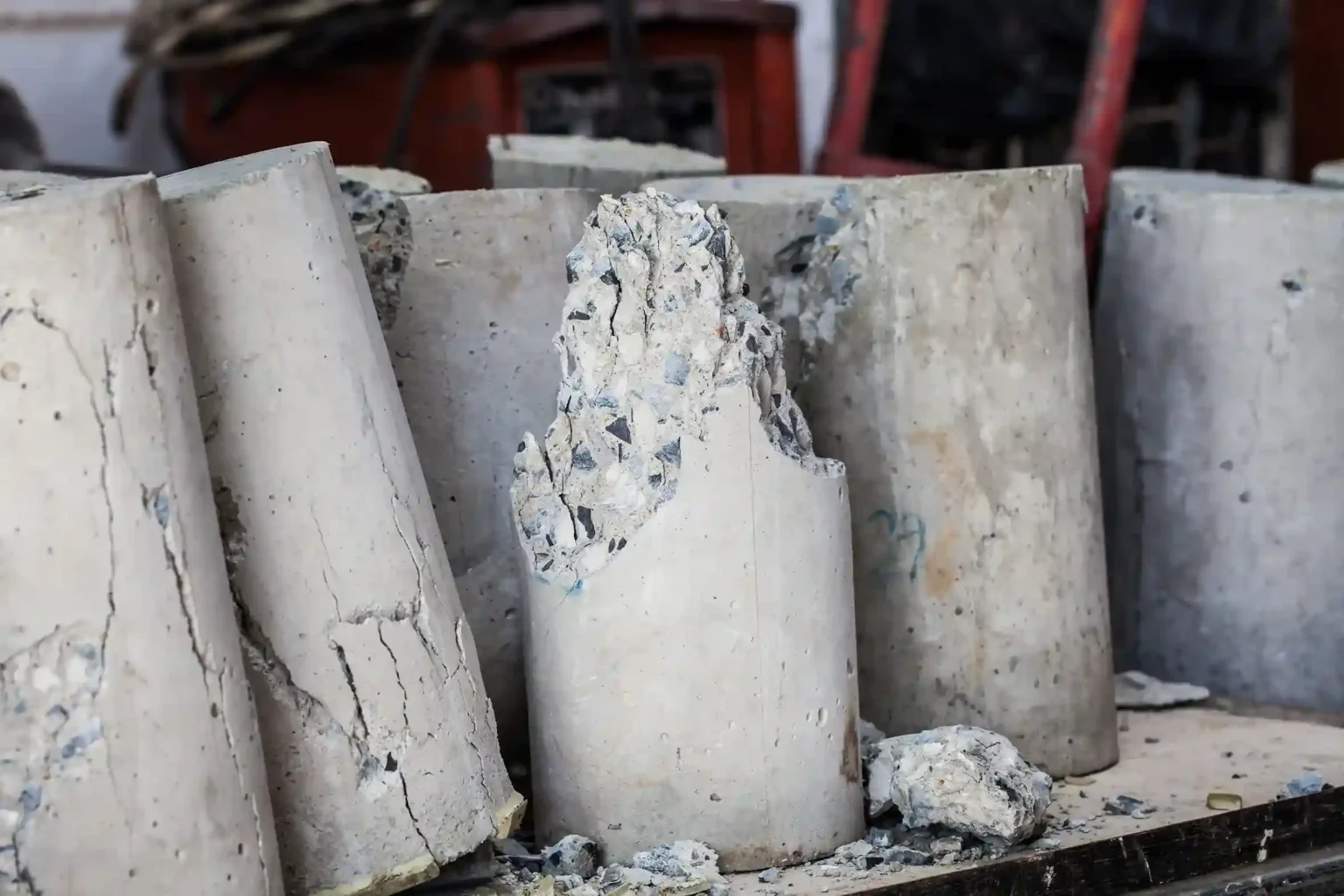
Concrete Testing Equipment
Qualitest offers a wide range of concrete strength testing equipment and concrete testing supplies designed for accurate quality control, material analysis, and research in both laboratory and field environments. As a leading name among cement testing equipment manufacturers, our solutions meet ASTM, ISO, and DIN standards, supporting reliable results for construction, civil engineering, and material testing applications.
With a strong focus on serving the demand for laboratory and testing equipments in UAE, GCC, and Africa region, our equipment enables precise evaluation of compressive strength, air entrainment, shrinkage, workability, and curing performance. These capabilities help ensure material compliance, enhance structural safety, and support consistent performance throughout your projects.
Available Products
1. Concrete Strength Testing
- Concrete Compression Flexure Testers – Measures compressive and flexural strength for evaluating concrete durability.
- Concrete Block Testing Equipment – Used for assessing the load-bearing capacity of concrete blocks.
- Concrete Tester for Field Applications – Portable solutions for on-site compressive strength testing.
2. Concrete Workability and Rheology Analysis
- Concrete Rheometers – Determines the rheological properties of fresh concrete, ensuring proper flow and workability.
- Viskomat XL Rheometer – Advanced equipment for measuring viscosity and yield stress in concrete mixtures.
- Slab Tester – Analyzes shrinkage, creep, and deformation in concrete slabs.
3. Concrete Durability & Environmental Resistance Testing
- Freeze Thaw Testers – Simulates freeze-thaw cycles to assess the resilience of concrete under extreme weather conditions.
- Shrinkage Rings – Measures drying shrinkage and cracking potential in hardened concrete.
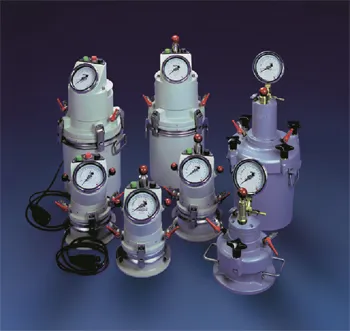
- Concrete Air Test Equipment – Evaluates air content in fresh concrete to ensure proper freeze-thaw resistance.
4. Field Testing and Non-Destructive Testing (NDT)
- Rebound Hammers – Provides quick and non-destructive evaluation of concrete strength.
- Concrete Testing Kit – Includes various field-testing instruments for on-site analysis.
- Concrete Field Testing Equipment – Portable instruments for real-time concrete testing in construction sites.
1. Ensuring Structural Integrity
Concrete testing ensures that materials used in buildings, bridges, roads, and other structures meet engineering specifications and safety requirements.
2. Complying with Industry Standards
By utilizing laboratory and field concrete testing equipment, manufacturers and contractors ensure compliance with ASTM, ISO, and AASHTO standards, preventing construction failures and material inconsistencies.
3. Optimizing Material Performance
With concrete testing lab equipment, engineers can adjust mix designs, improve durability, and optimize material formulations, reducing waste and cost overruns in construction projects.
- Construction & Infrastructure – Ensures quality control for roads, bridges, and commercial buildings.
- Concrete Manufacturing – Evaluates the performance of cement and aggregates.
- Material Testing Laboratories – Conducts advanced research on concrete properties.
- University & Research Institutions – Supports educational and experimental studies in civil engineering.

Contact Us
For more information about Qualitest FZE – Advanced Testing Technologies, please contact us by phone or email.